
DEFINITION: What penetration testing is and why it matters for Fijian businesses
Penetration testing is a structured security exercise in which qualified testers attempt to break into a business's digital systems using the same techniques a real attacker would use. The goal is to find weaknesses before someone else does, confirm whether those weaknesses can be exploited in practice, and produce findings a team can act on. For Fijian businesses, the relevance of this exercise has grown significantly as more operations move online, more customer data passes through digital systems, and more international buyers ask for evidence of security before signing contracts.
A penetration test is not a vulnerability listing from a software tool. It is a human-led exercise in which a tester applies judgment, context, and creative problem-solving to find the gaps that lists alone miss. This distinction matters because it is the difference between an exercise that produces real findings a business can trust and one that produces noise.
Why Fijian businesses need penetration testing now
Fiji's business landscape has several characteristics that make security testing increasingly relevant in 2026.
Tourism and hospitality companies in Fiji process credit card transactions from customers across Australia, New Zealand, the United States, and Europe. The Payment Card Industry Data Security Standard, known as PCI DSS, applies to any business that accepts, processes, or stores card data regardless of where that business is physically located. A Fijian resort or booking platform accepting international card payments is subject to PCI DSS and benefits directly from penetration testing as a method of demonstrating compliance with its technical security requirements.
Financial services businesses in Fiji, including those supervised by the Reserve Bank of Fiji, operate under expectations of sound information security governance. While Fiji's domestic cybersecurity regulatory framework is still developing compared to Australia and New Zealand, the Reserve Bank of Fiji has published guidelines that expect regulated entities to manage information security risks systematically. Penetration testing is one of the most direct ways to demonstrate that systematic management in practice rather than just in policy documents.
Technology and SaaS companies based in Fiji and serving international clients face the security and compliance requirements of their customers' jurisdictions, not just their own. A Fijian software company with Australian enterprise customers will encounter SOC 2 requirements, Essential 8 expectations, and security questionnaires that assume testing is already happening. Meeting those requirements means finding a provider who can run a credible, properly scoped test and produce a report the customer's security team will accept.
What the Fijian regulatory and compliance landscape actually looks like
It is important to be honest about this, since overstating regulatory requirements does not help a Fijian business make a well-informed decision.
Fiji does not currently have a comprehensive national cybersecurity law that mandates penetration testing by name. The Online Safety Act 2018 addresses harmful online content, and the Cybercrime Decree provides a framework for prosecuting computer-related offences, but neither directly compels businesses to conduct penetration tests as a domestic legal obligation.
What does drive penetration testing Fiji businesses actually pursue is a combination of three things: the international compliance requirements of the customers and markets they serve, the card data security standards that apply to any business processing international payments, and the general obligation to protect customer personal information reasonably, which exists both morally and under the data protection principles Fiji is progressively aligning with through policy development.
The honest guidance for a Fijian business evaluating whether penetration testing applies to them is this: if the business handles international card payments, serves clients in regulated markets, stores personal data about customers, or operates a digital product that others depend on, penetration testing is relevant today even if a specific domestic law does not yet require it by name.
Your Last Pentest Is Already Out of Date
Every week you ship without continuous testing is a week a vulnerability goes unseen. See what Capture The Bug finds in your first engagement.
Book a demo
For any Fijian business that wants to understand exactly what a penetration test would cover for their specific systems, what it would cost, and what the report would look like for an international compliance requirement, a direct conversation is more useful than a general guide. Book a demo with Capture The Bug and get a straight answer for your specific situation.
How remote penetration testing works for businesses in Fiji
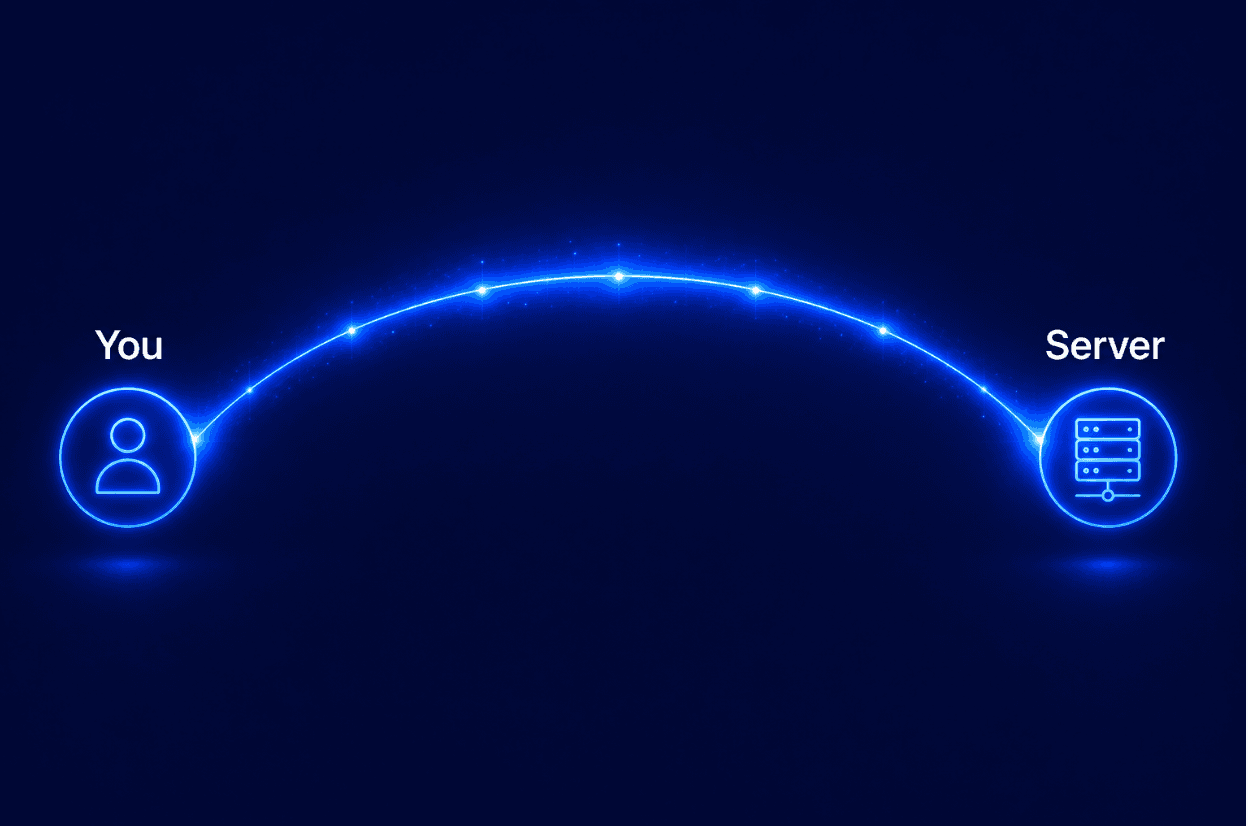
A common concern for Fijian businesses is whether a high-quality penetration testing provider needs to send someone on-site, or whether testing can be conducted from outside the country. For the vast majority of digital systems, penetration testing Fiji companies need can be conducted entirely remotely without any reduction in quality.
Web applications, APIs, cloud-hosted systems, and externally accessible infrastructure can all be tested remotely through secure, agreed access arrangements. The tester accesses the system over a controlled connection, and findings are documented and delivered through a platform rather than in-person meetings. This means a CREST-certified provider based in Australia or New Zealand can test a Fijian business's systems with full professional rigor and deliver a report that meets international compliance standards, without requiring travel or on-site presence.
A penetration testing service delivered this way is not a lesser version of an on-site engagement for these system types. The methodology is the same, the findings are the same, and the compliance evidence produced is the same. The only difference is that the tester connects remotely rather than sitting in the office, which for most Fijian businesses means lower cost and faster scheduling.
What a penetration test for a Fijian business typically covers
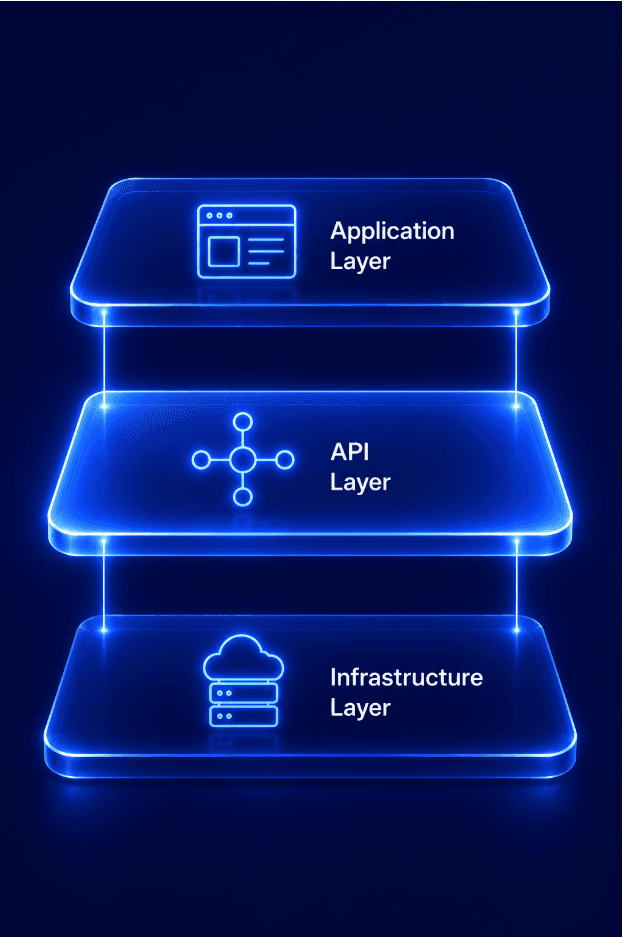
The scope of a penetration test should reflect the actual digital surface of the business being tested. For most growing Fijian businesses, the highest-value scopes are web application testing, which covers the digital tools and platforms customers and staff interact with, API testing, which covers the connections between a product and external systems or data, and cloud configuration review, which covers how the infrastructure hosting the business's systems has been set up and whether common misconfigurations have been introduced.
A business in Fiji that operates a booking platform, a customer portal, or a digital product of any kind benefits from all three of these being covered. A CREST-certified penetration testing service covering these layers produces findings that can be used as compliance evidence for PCI DSS, SOC 2, ISO 27001, or any other framework an international customer asks about.
What this means for your roadmap
Penetration testing is not a concept that only applies to large enterprises in major financial centres. For Fijian businesses handling international payments, serving overseas clients, or operating digital products that others depend on, the case for a proper security test is practical and present rather than future and theoretical. The international buyers and compliance frameworks that Fiji businesses interact with are already asking for this evidence. Getting a properly scoped, CREST-certified penetration testing service from a remote provider who understands the requirements is how a Fijian business answers that question with confidence rather than uncertainty.
Plan Your Annual Pentesting Strategy the Right Way
Learn how modern SaaS companies structure pentesting across the year to reduce risk, stay compliant, and avoid last-minute panic before audits.
FAQ
Does Fiji have any law that requires penetration testing?
Fiji does not currently have a domestic law that names penetration testing as a mandatory requirement for businesses. However, international frameworks that apply to Fiji businesses regardless of location, including PCI DSS for card data, SOC 2 for technology services, and ISO 27001 for information security management, all include expectations of security testing as part of their requirements.
Can a penetration test be conducted remotely for a business based in Fiji?
Yes. Web applications, APIs, and cloud-hosted systems can all be tested remotely with the same methodology and finding quality as an on-site engagement. Most CREST-certified providers, including those based in Australia and New Zealand, can test Fijian business systems remotely without any reduction in the quality or legal weight of the report produced.
What types of Fijian businesses benefit most from penetration testing?
Tourism and hospitality businesses processing international card payments, financial services firms supervised by the Reserve Bank of Fiji, technology companies serving Australian, NZ, or US clients, and any business storing customer personal data online benefit most directly. These are the businesses where an untested vulnerability creates either a compliance gap, a customer trust risk, or both.
Does PCI DSS apply to businesses in Fiji?
Yes. PCI DSS applies to any organization that accepts, processes, stores, or transmits card data, regardless of where that organization is based. A resort, travel agency, or any Fijian business accepting international card payments is subject to PCI DSS and should conduct penetration testing as part of demonstrating compliance.
How do I choose a penetration testing provider for my Fiji business?
Look for a CREST-certified provider who can test remotely, delivers findings as they are confirmed rather than only in a single end-of-engagement document, includes retesting in the engagement, and can produce a report structured for the compliance framework you need to satisfy. A provider based in Australia or New Zealand can serve Fijian clients remotely and will be familiar with the international compliance frameworks most relevant to Fiji's business environment.