

DEFINITION: What a bug bounty programme is
A bug bounty programme is an ongoing arrangement in which an organisation invites external security researchers to identify vulnerabilities in its systems and pays a reward for each valid, previously unreported finding. Participation is open or semi-open, submission volume is unpredictable, scope is defined by policy rather than by engagement, and cost scales with the number and severity of accepted submissions. A bug bounty programme purchases discovery. It does not purchase coverage, timelines, or assurance that any particular system was examined.
DEFINITION: What PTaaS is
PTaaS, or Penetration Testing as a Service, is a subscription arrangement in which qualified testers conduct structured security testing against a defined scope on a continuous basis, deliver validated findings through a platform as they are confirmed, and include retesting of fixes within the same arrangement.
PTaaS purchases coverage and assurance. A defined scope is examined by known, qualified testers according to a documented methodology, producing evidence that specific systems were assessed. The distinction that determines which model fits: a bug bounty tells an organisation what someone happened to find. PTaaS tells an organisation what was examined and what the examination concluded.
The prerequisite most companies underestimate

A bug bounty programme generates inbound submissions that require triage before they have any value. Triage means determining whether a submission is valid, whether it is a duplicate, whether it falls within scope, whether it is genuinely exploitable, and what severity it warrants.
This work is not optional and cannot be deferred. Submissions arrive on the researcher's schedule, not the organisation's, and researchers expect timely responses. A programme that responds slowly loses researcher participation, which degrades the quality of submissions received.
The practical readiness test is straightforward: does the organisation have a named person with allocated time to assess inbound security submissions within a defined response window, every week, indefinitely? If no such person exists, a bug bounty programme will generate cost and obligation without generating security outcomes. This is the single most common reason bug bounty programmes fail at smaller companies, and it has nothing to do with the reward budget.
What each model actually produces
The outputs differ in ways that matter for compliance, procurement, and engineering planning.
A bug bounty produces individual vulnerability reports of varying quality, arriving unpredictably, in formats determined by each submitting researcher. It does not produce a scope statement, a methodology record, a coverage assertion, or a structured report suitable for an auditor or an enterprise security questionnaire.
PTaaS produces validated findings with consistent severity assessment, a documented scope, a methodology record, remediation verification, and reporting structured for compliance frameworks.
An ANZ company preparing for SOC 2, ISO 27001, or an enterprise procurement review will find that a bug bounty programme, however active, does not answer the questions those processes ask. This is not a deficiency in the bug bounty model. It is a consequence of what the model is designed to do.
Your Last Pentest Is Already Out of Date
Every week you ship without continuous testing is a week a vulnerability goes unseen. See what Capture The Bug finds in your first engagement.
Book a demo
For ANZ companies weighing these two models, the decisive question is usually internal capacity rather than budget. Book a demo with Capture The Bug and work through which model matches the organisation's actual triage and remediation capacity.
Where a bug bounty is genuinely the better choice
Three situations favour a bug bounty programme, and stating them plainly matters more than defending one model.
- Mature products with established triage capability: An organisation with a dedicated security team, an established triage workflow, and a product that has already been thoroughly tested through structured means will find that a bug bounty surfaces novel findings that structured testing did not.
- Broad, long-lived attack surface: Organisations with large numbers of internet-facing assets accumulated over years benefit from continuous external attention across a surface too broad to scope efficiently.
- Demonstrating openness to external research: For some organisations, running a public programme is itself valuable as a signal of security maturity and as a managed channel for unsolicited reports that would otherwise arrive without structure.
A bug bounty is also the only model that pays for outcomes rather than effort, which suits organisations confident their structured testing is already thorough.
Where PTaaS is genuinely the better choice
Three situations favour PTaaS with equal clarity.
- Compliance and procurement evidence requirements: When an audit, certification, or enterprise customer requires evidence that defined systems were assessed by qualified testers, only a structured engagement produces it.
- Limited internal triage capacity: When no one is available to assess unpredictable inbound submissions, validated findings delivered at a manageable cadence produce better outcomes than raw volume.
- Products changing frequently: When new features and endpoints ship regularly, continuous coverage of a defined scope ensures each change is examined, rather than relying on whether a researcher happened to look at it.
For most ANZ SaaS companies below a certain scale, particularly those working toward compliance certifications, a penetration testing service addresses the actual constraints better than a bounty programme.
Running both, and the sequence that works
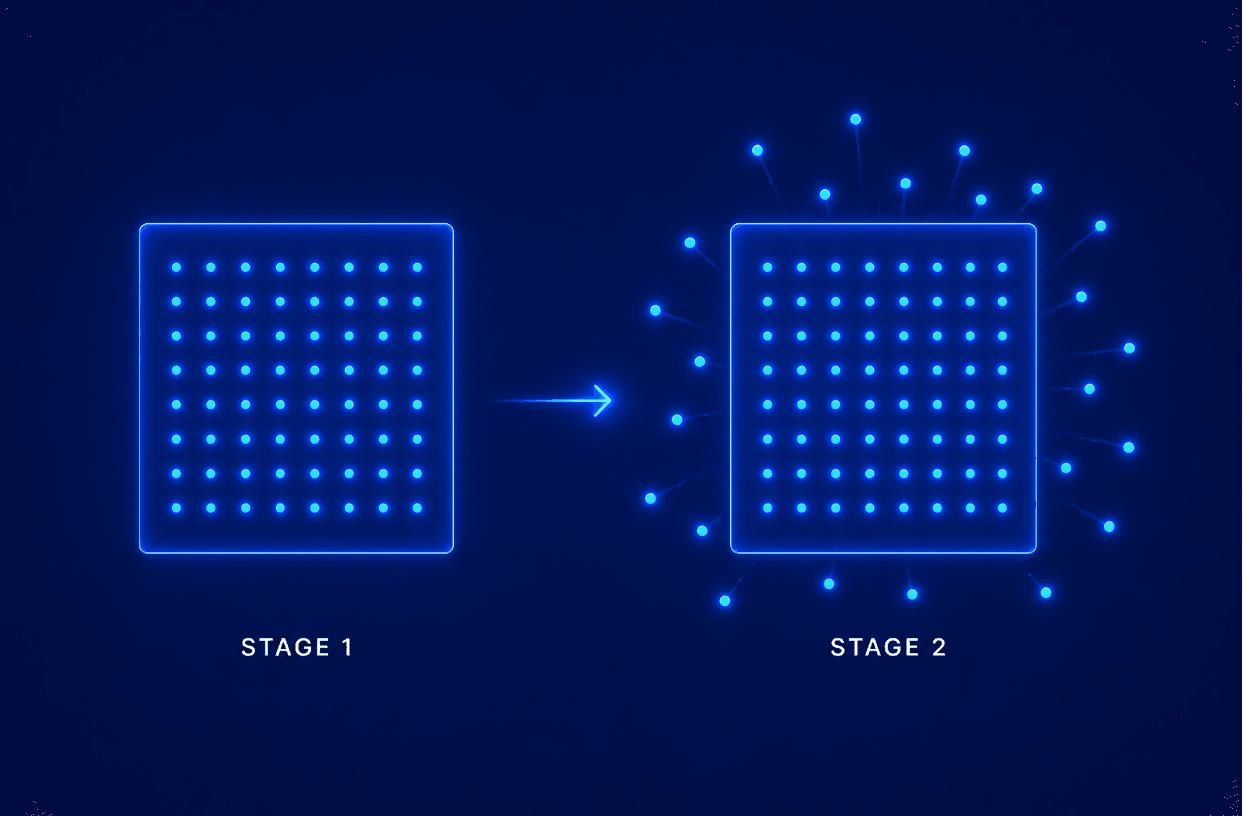
These models are complementary rather than mutually exclusive, and many mature organisations run both.
The sequence matters. Structured testing first establishes a baseline and addresses the vulnerability classes a methodology reliably finds. A bug bounty introduced afterward then surfaces findings beyond that baseline, and researchers encounter a product where the obvious issues have already been resolved.
Running a bug bounty before structured testing produces a high volume of submissions covering issues a structured engagement would have identified more cheaply and more systematically. The organisation pays per finding for discoveries that a scoped penetration testing service would have delivered as a single documented set.
The decision framework
Four questions resolve the choice for most ANZ organisations.
- Is there a named person with allocated weekly time to triage inbound submissions within a defined response window? If no, PTaaS.
- Is evidence required for compliance certification or enterprise procurement? If yes, PTaaS, since bug bounty output does not satisfy these processes.
- Has the product already been through structured security testing? If no, PTaaS first, then reconsider a bounty programme afterward.
- Is the attack surface broad, long-lived, and difficult to scope efficiently? If yes, a bug bounty adds value that structured testing on a defined scope will not replicate.
What this means for your roadmap
Neither model is superior. They answer different questions and suit different organisational conditions. The costly error is adopting a bug bounty programme because the pay-per-finding structure appears cheaper than a subscription, without accounting for the triage capacity it requires or checking whether its output satisfies the compliance and procurement processes the organisation is actually facing. For most growing ANZ SaaS companies, a structured continuous penetration testing service addresses the immediate constraints, and a bug bounty becomes valuable later, once a security function exists to run it well.
Plan Your Annual Pentesting Strategy the Right Way
Learn how modern SaaS companies structure pentesting across the year to reduce risk, stay compliant, and avoid last-minute panic before audits.
FAQ
What is the difference between a bug bounty and PTaaS?
A bug bounty pays external researchers per valid finding, with unpredictable volume and no coverage guarantee. PTaaS is a subscription arrangement in which qualified testers examine a defined scope continuously, deliver validated findings, and include retesting. A bug bounty purchases discovery; PTaaS purchases coverage and assurance.
Can a bug bounty programme satisfy SOC 2 or ISO 27001 requirements?
Generally no. These processes require evidence that defined systems were assessed by qualified testers under a documented methodology. A bug bounty produces individual reports without a scope statement, methodology record, or coverage assertion, so it does not answer what auditors and enterprise procurement teams ask.
What does a company need before starting a bug bounty programme?
The essential prerequisite is triage capacity: a named person with allocated time to assess inbound submissions within a defined response window on an ongoing basis. Without it, a programme generates cost and obligation without security outcomes, which is the most common cause of failure at smaller companies.
Should a company run both a bug bounty and PTaaS?
Many mature organisations do, and the sequence matters. Structured testing establishes a baseline first, then a bug bounty surfaces findings beyond it. Running a bounty programme before structured testing means paying per finding for issues a scoped engagement would have identified more systematically.
Which model suits an early-stage ANZ SaaS company?
For most, structured continuous testing suits the actual constraints better, because early-stage companies typically lack dedicated triage capacity and are usually working toward compliance certifications that bug bounty output does not evidence.