

A growing Australian SaaS company often ends up juggling more than one security framework at once, and rarely by choice. Essential 8 comes up because a government or enterprise customer expects it. SOC 2 comes up because of a US-based customer or partner. ISO 27001 comes up because an investor or an international deal requires it. Each one arrives at a different time, gets handled by a different person, and turns into its own separate scramble for evidence.
The result is predictable. A company ends up paying for testing three times, once for each framework, when most of what each one actually wants tested is the same production application, the same APIs, and the same handful of access controls. The playbook that fixes this is not complicated. It just requires treating these three frameworks as overlapping requests instead of three unrelated projects.
A quick note before going further. Exact expectations vary by individual auditor and assessor, so this is general guidance rather than a substitute for a direct conversation with whoever is reviewing a specific company's evidence.
What each framework actually wants from testing
Essential 8, from the Australian Cyber Security Centre, is built around eight mitigation strategies covering things like patching, restricting administrative privileges, multi-factor authentication, and application control, assessed against maturity levels rather than a single pass or fail test. It does not name a penetration test as a required line item, but a scoped test is one of the most direct ways to confirm those controls actually hold up under a real attempt rather than just existing on paper, particularly around privileged access and patch discipline.
SOC 2, under its security criteria, includes a control focused on identifying and assessing vulnerabilities. This is where a penetration test fits most naturally, and most auditors expect to see one as supporting evidence, covering the production application, its APIs, and the infrastructure behind them.
ISO 27001's Annex A includes a control around technical vulnerability management, and while the standard does not mandate the specific format of a penetration test, it is standard, widely expected practice for demonstrating this control is being actively managed rather than just documented in a policy.
Where the three actually overlap
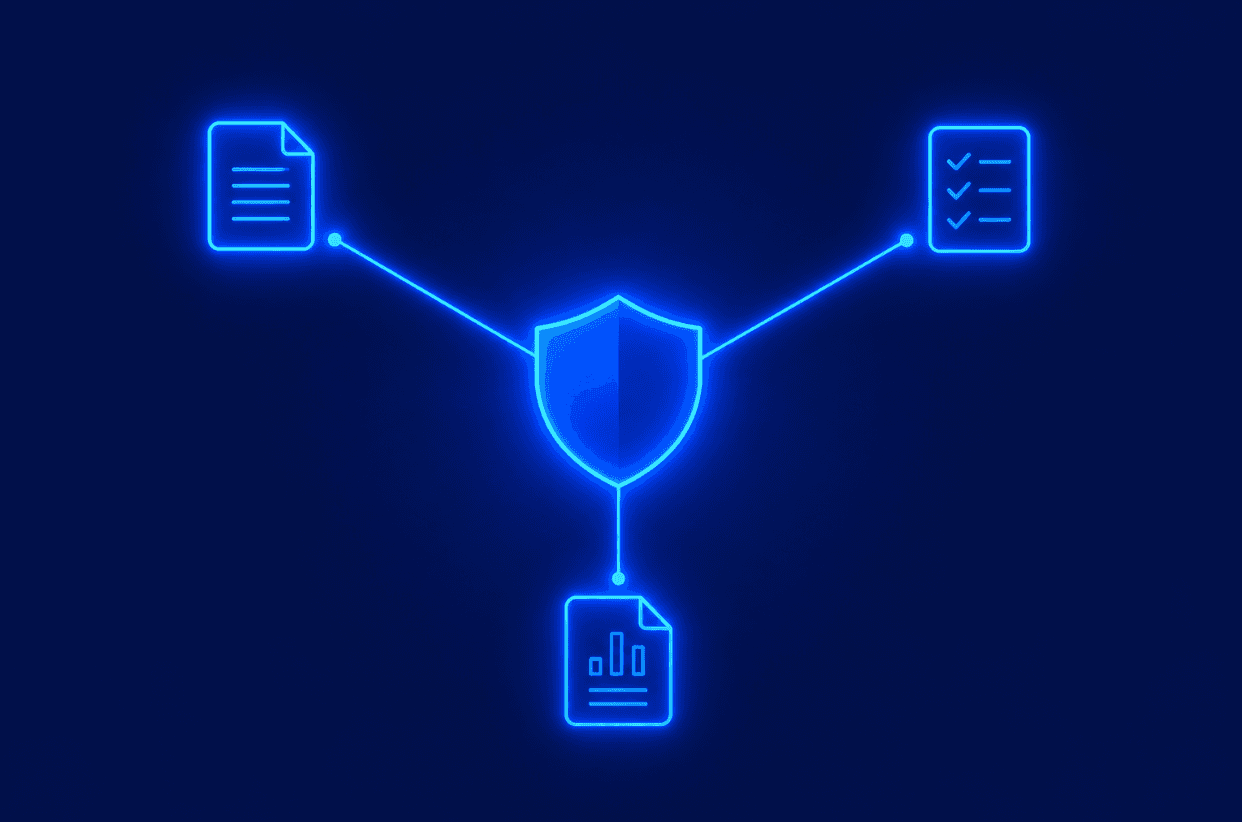
Lay these three side by side and the overlap becomes obvious. All three care, in some form, about whether the production system can be broken into, whether access controls actually restrict who can do what, and whether known weaknesses get found and fixed in a reasonable timeframe. None of them require a fundamentally different kind of test from the others.
The mistake most companies make is treating each framework's request as a fresh, separate engagement, often with a different vendor each time, none of whom know what the others tested or found. That is how a company ends up paying for three rounds of overlapping work that mostly cover the same ground, three times over, instead of one well-structured program that documents findings in a way all three frameworks can use.
Your Last Pentest Is Already Out of Date
Every week you ship without continuous testing is a week a vulnerability goes unseen. See what Capture The Bug finds in your first engagement.
Book a demo
If more than one of these three frameworks applies and testing has been handled separately for each one so far, it is worth seeing what a single combined approach actually looks like. Book a demo with Capture The Bug and find out how one scoped engagement can generate evidence usable across Essential 8, SOC 2, and ISO 27001 at the same time.
What the playbook actually looks like
Building this is more about structure than extra work. The scope for a single engagement should explicitly name all three frameworks upfront, rather than assuming whichever one came up most recently is the only one that matters. The report itself should map findings against the relevant control for each framework, so the same document can be handed to a SOC 2 auditor, an ISO 27001 assessor, and an internal Essential 8 self-assessment without needing three separate write-ups.
Testing also needs to happen continuously rather than once, since all three frameworks expect ongoing management of vulnerabilities, not a single annual snapshot. A penetration testing service that runs on a rolling basis, with retesting built into the same engagement, produces a running record that satisfies an auditor asking "what has been tested recently" far better than a single report sitting on file from eleven months ago.
The cost case for combining these

This is where penetration testing cost in Australia genuinely changes shape. Three separate engagements, even modest ones, add up quickly once travel time, scoping calls, and report writing get duplicated three times over. A single, well-scoped penetration testing service covering all three frameworks at once typically costs far less than the sum of three separate projects, while producing a more useful and better organized result.
This is particularly relevant for penetration testing for startups juggling compliance requirements for the first time while still watching every dollar closely. Combining frameworks into one program is one of the more reliable ways to avoid overspending on testing that overlaps without anyone noticing until the invoices are compared side by side. It also matters for api pentest services specifically, since the APIs behind a modern SaaS product are exactly the layer all three frameworks care about most, and testing them once properly avoids three redundant passes over the same endpoints.
What this means for your roadmap
None of these three frameworks were designed to fight each other, but most companies end up treating them that way simply because requests for each one arrive at different times from different people. A single, well-structured testing program, scoped to cover all three from the start, turns three separate scrambles into one ongoing process that keeps every auditor, assessor, and internal stakeholder working from the same evidence instead of three different ones.
The practical first step is usually small. Before the next request for any one of these three frameworks lands, it is worth checking whether the other two are also on the horizon, even loosely, and scoping the next penetration testing service engagement to cover all of them from the outset rather than reacting to each request as it arrives separately.
Plan Your Annual Pentesting Strategy the Right Way
Learn how modern SaaS companies structure pentesting across the year to reduce risk, stay compliant, and avoid last-minute panic before audits.
FAQ
Can one penetration test really satisfy Essential 8, SOC 2, and ISO 27001 at the same time?
A single well-scoped, properly structured test can generate evidence relevant to all three, since each framework cares about overlapping things, vulnerability management, access control, and patch discipline. The key is structuring the scope and the report to explicitly address each framework's relevant control rather than writing a generic report and hoping it fits.
Does Essential 8 specifically require a penetration test?
Not by name. Essential 8 is assessed against maturity levels across eight mitigation strategies, but a scoped test is one of the most reliable ways to confirm those controls actually work in practice, especially around privileged access and patching.
Why do companies end up paying for testing multiple times for different frameworks?
Usually because requests for each framework arrive separately, often handled by different people at different times, with no one connecting the dots that a single engagement could cover more than one requirement at once.
How does combining frameworks affect penetration testing cost in Australia?
It typically reduces total cost significantly compared to running three separate engagements, since scoping, testing, and reporting only happen once instead of three times over largely the same surface.
Is this approach realistic for a startup just starting to face compliance requirements?
Yes, and often more valuable for a startup than a larger company, since budget is tighter and the risk of accidentally paying for overlapping testing across multiple frameworks is higher when nobody has set up a combined approach from the start.