Third-Party Penetration Testing Service: Why It Matters, How It Works, and Who to Trust
Introduction: Why External Testing Is No Longer Optional
Most companies believe they understand their own systems well enough to secure them.
That belief is exactly where risk begins.

Internal teams build the product. They know how it should work. But attackers do not follow intended paths. They look for gaps, assumptions, and overlooked edges. That is why third-party penetration testing has become essential.
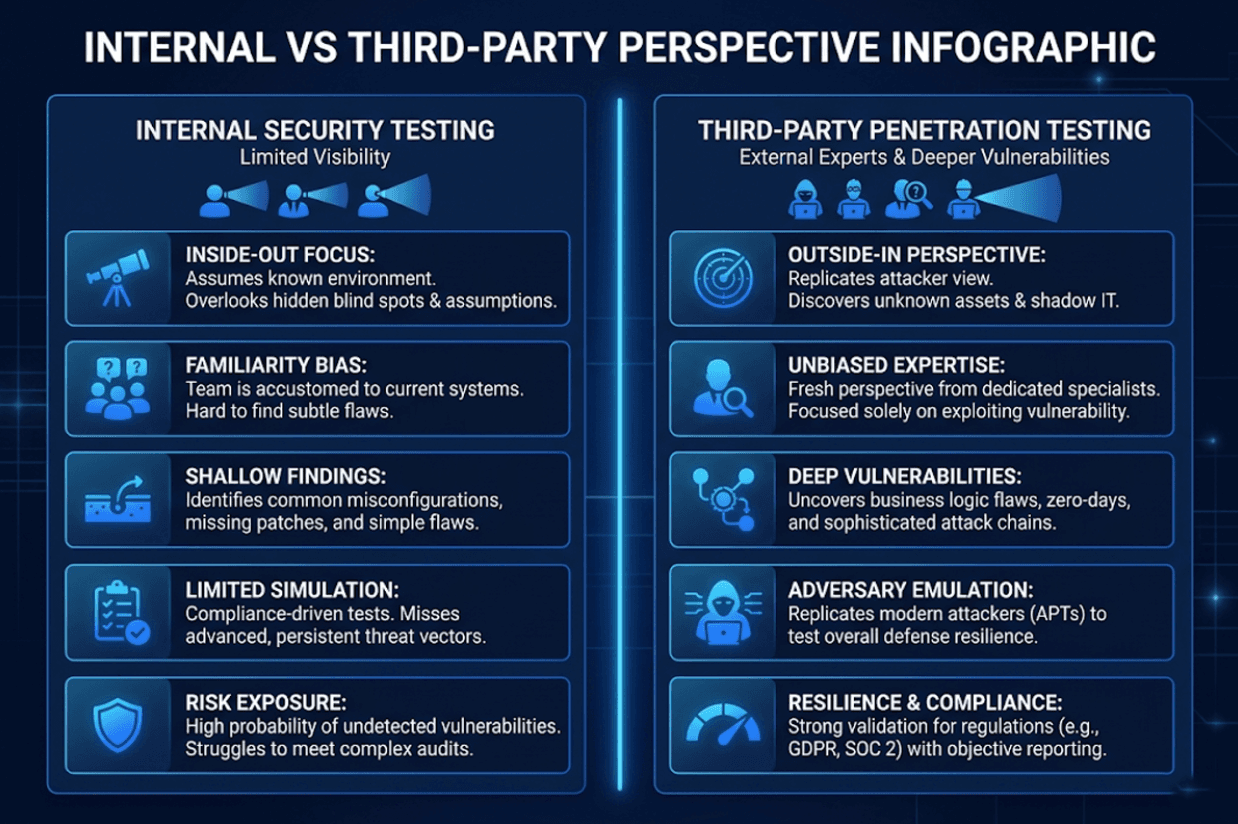
It brings an outside perspective. No bias. No assumptions. Just real-world testing from experts who approach your system the way an attacker would.
For modern SaaS and enterprise companies, this is not just about security. It is about trust, compliance, and the ability to scale without hidden risks.
What Is Third-Party Penetration Testing
Third-party penetration testing is when an external security provider tests your systems, applications, or infrastructure to identify vulnerabilities.
Unlike internal reviews, these assessments are:
- Independent and unbiased
- Based on real attack techniques
- Focused on actual exploitability
The goal is simple. Find weaknesses before someone else does.
At Capture The Bug, this approach is delivered through a continuous model, not just a one-time test. That means companies do not just get a report. They get ongoing visibility and faster remediation cycles.
Why Companies Choose Third-Party Testing
1. Unbiased Security Validation
Internal teams often miss issues because they are too close to the system. Third-party testers approach your product with no prior assumptions. They question everything, from authentication flows to API behavior. This often reveals vulnerabilities that internal reviews overlook.
2. Real-World Attack Perspective
Security is not about theoretical risks. It is about what can actually be exploited. External testers simulate real attack scenarios. They test how far a vulnerability can go, not just whether it exists. This gives leadership clarity on actual business risk, not just technical findings.
3. Compliance and Audit Readiness
Frameworks like ISO 27001, SOC 2, and PCI-DSS require independent validation. Third-party penetration testing provides: Audit-ready reports, Verified remediation evidence, Proof of continuous security effort. Without this, compliance becomes a last-minute scramble.
4. Faster Risk Detection
Traditional models delay insight. Modern third-party providers like Capture The Bug deliver findings in real time, allowing teams to fix vulnerabilities while testing is still in progress. This reduces exposure windows significantly.
5. Customer and Investor Trust
Enterprise buyers and investors now ask: When was your last penetration test, Who conducted it, How quickly do you fix issues. Third-party testing answers all three with credibility.
The Process: How Third-Party Penetration Testing Works

A strong third-party engagement follows a clear, structured process.
1. Scoping and Asset Identification
The provider works with your team to define: Applications, APIs, Infrastructure, Critical workflows. This ensures testing focuses on what matters most.
2. Threat Modeling
Before testing begins, experts identify: Potential attack paths, High-risk areas, Business-critical assets. This step aligns testing with real-world threat scenarios.
3. Active Testing
This is where the real work happens. Testers simulate attacks across: Authentication systems, APIs and integrations, Data handling processes, Access controls. Unlike automated tools, this stage involves deep manual validation to confirm real risks.
4. Validation and Prioritization
Not every vulnerability matters equally. Third-party experts: Confirm exploitability, Remove false positives, Rank issues by business impact. This ensures your team focuses on what actually needs fixing.
5. Reporting and Collaboration
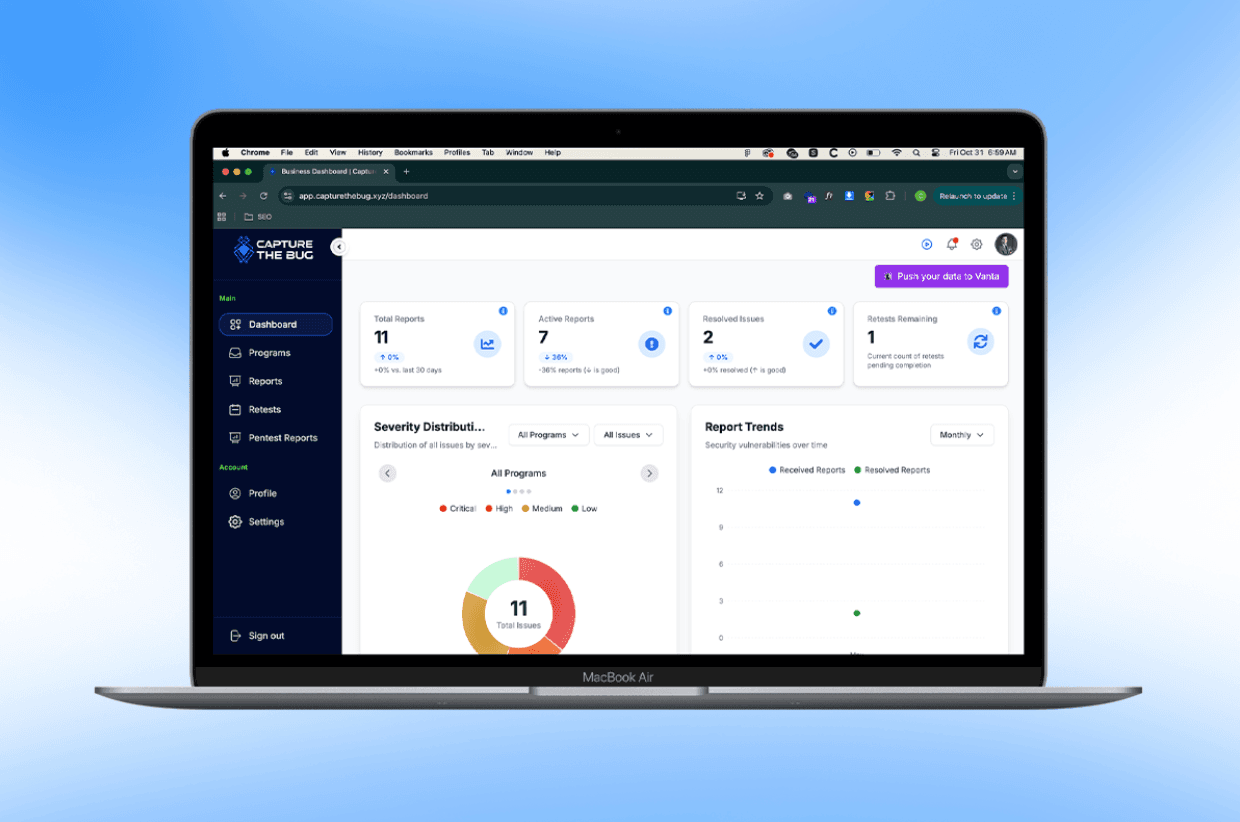
Traditional testing ends with a static report. Modern third-party services, like Capture The Bug, go further: Live dashboards showing vulnerabilities, Direct communication with testers, Real-time updates as fixes are applied. This turns testing into an ongoing process instead of a one-time event.
6. Retesting and Continuous Validation
Fixing a vulnerability is not enough. It needs to be verified. Third-party providers retest issues quickly to confirm they are resolved. In continuous models, this happens without delays or additional contracts.
Midway Insight: Why Modern Teams Are Moving to Continuous Testing
Here is the reality.
Most systems change weekly. Sometimes daily.
But traditional penetration testing happens once or twice a year.
That gap creates risk.
Capture The Bug addresses this by combining third-party expertise with continuous testing. Instead of waiting for a report, companies see vulnerabilities as they appear and fix them immediately.
If your team is releasing updates regularly, this model is no longer optional. It is the only way to stay secure without slowing down growth.
Explore how it works: capturethebug.xyz/services/penetration-testing
Key Features to Look for in a Third-Party Provider
Not all providers deliver the same value. Here is what matters when choosing one.
CREST-Certified Expertise
Certification ensures: Proven testing methodology, Ethical standards, Real-world experience. This is non-negotiable for serious organizations.
Human-Verified Findings
Automated outputs alone are not enough. You need: Verified vulnerabilities, Clear explanations, Practical remediation steps. This removes noise and saves engineering time.
Real-Time Visibility
Static reports are outdated. Modern testing should provide: Live dashboards, Continuous updates, Clear tracking of fixes. This improves both speed and accountability.
Compliance-Ready Reporting
Your provider should support: ISO 27001, SOC 2, PCI-DSS. Reports should be ready when auditors ask, not weeks later.
Scalable Testing
As your product grows, your testing should scale with it. That includes: New features, New integrations, Expanding infrastructure.
Key Providers in the Market
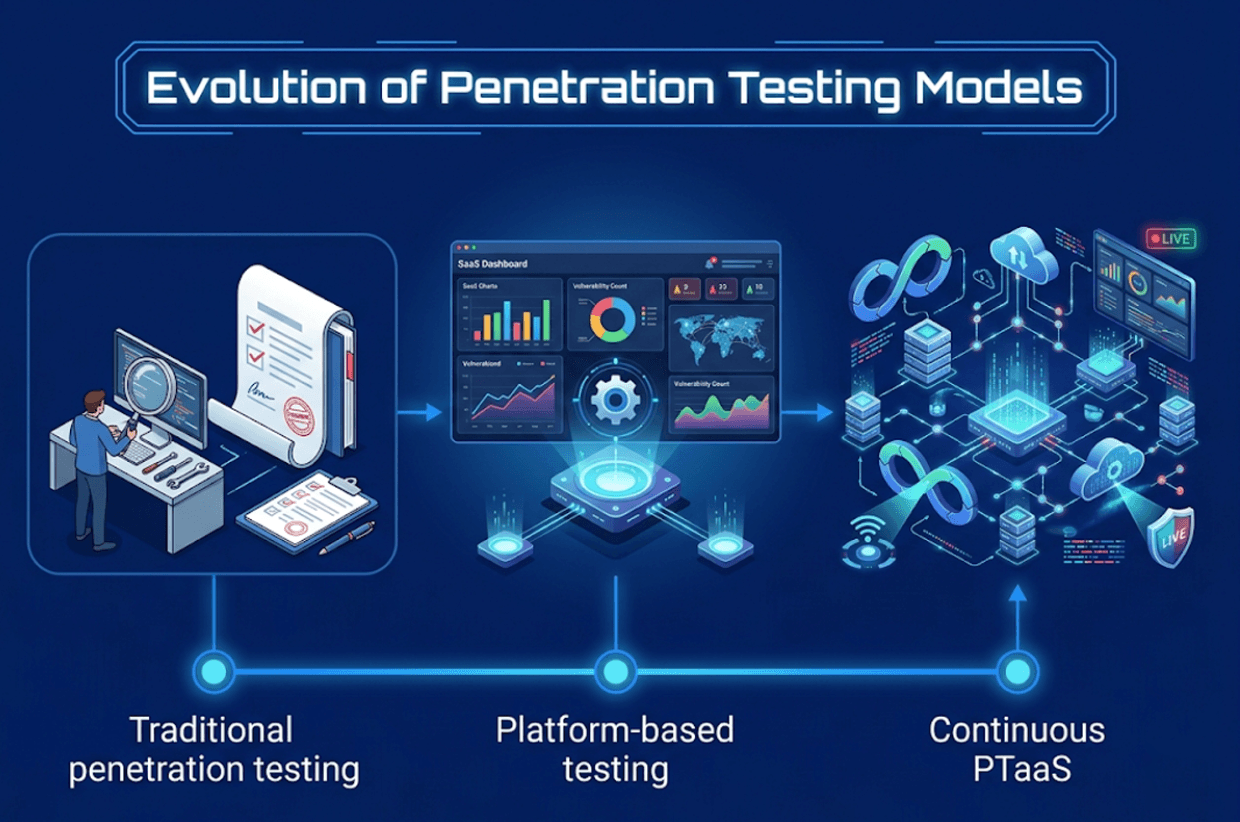
Several providers offer third-party penetration testing today. The difference lies in how they deliver results.
Traditional Providers
- Project-based testing
- Static reports
- Delayed insights
Best suited for basic compliance requirements.
Platform-Based Providers
- Dashboard-driven testing
- Faster reporting
- Better collaboration
Continuous PTaaS Providers (Like Capture The Bug)
- On-demand testing
- Real-time visibility
- Continuous validation
- Direct collaboration with testers
This model aligns with how modern SaaS and enterprise teams operate.
Capture The Bug stands out by combining CREST-certified expertise with a continuous delivery model that fits real development cycles.
Explore the service here: capturethebug.xyz/services/penetration-testing
Get Audit-Ready Without the Guesswork
Download a complete SOC 2 checklist designed for fast-growing SaaS companies. Know exactly what auditors expect and fix gaps before they cost you deals.
Download Your SOC 2 Checklist Now
Common Mistakes Companies Make
Even with third-party testing, some mistakes reduce its impact.
Treating It as a One-Time Activity
Security is not a yearly task. It is ongoing.
Ignoring Low-Severity Issues
Small issues often combine into major risks.
Delayed Remediation
The longer a vulnerability stays open, the higher the risk.
Choosing Based on Price Alone
Cheap testing often means shallow results. Quality and expertise matter more than cost.
The Business Impact: What You Actually Gain
Third-party penetration testing is not just technical. It delivers real business outcomes.
- Reduced risk of breaches
- Faster product releases with confidence
- Stronger compliance posture
- Better customer trust
- Clear visibility for leadership
It turns security from a cost center into a growth enabler.
Final Thoughts
Third-party penetration testing is no longer optional for companies that want to scale securely.
The question is not whether you should do it. The question is how often and how effectively.
Static, one-time testing cannot keep up with modern development cycles.
Continuous third-party testing, like the model used by Capture The Bug, provides the speed, clarity, and confidence that modern businesses need.
If your current approach still relies on outdated reports, you are operating with delayed visibility. And in cybersecurity, delay is risk.
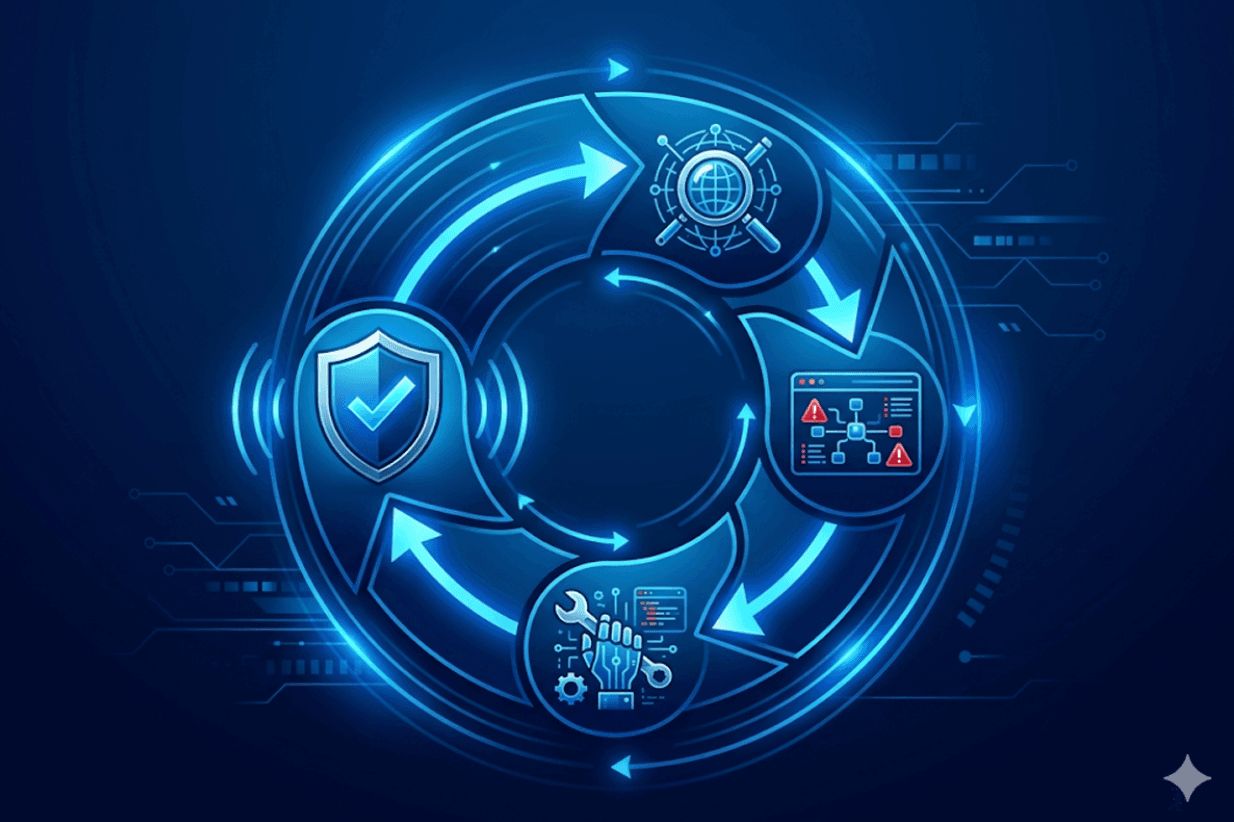
Start building a system where testing, fixing, and validating happen continuously. That is how secure companies grow.
Learn more about how Capture The Bug delivers this: capturethebug.xyz/services/penetration-testing
FAQ
1. What is third-party penetration testing?
It is an external security assessment where independent experts test your systems to identify real vulnerabilities and risks.
2. Why is third-party testing better than internal testing?
It provides an unbiased perspective and simulates real-world attack scenarios that internal teams may overlook.
3. How often should penetration testing be done?
For modern systems, continuous testing is recommended instead of annual or one-time assessments.
4. What industries need third-party penetration testing?
SaaS, fintech, healthcare, and any organization handling sensitive data or compliance requirements.
5. How does Capture The Bug differ from traditional providers?
It offers continuous, real-time penetration testing with direct collaboration and compliance-ready reporting.